





Home
>
News
>
Kuris News
More
Products
Kuris News
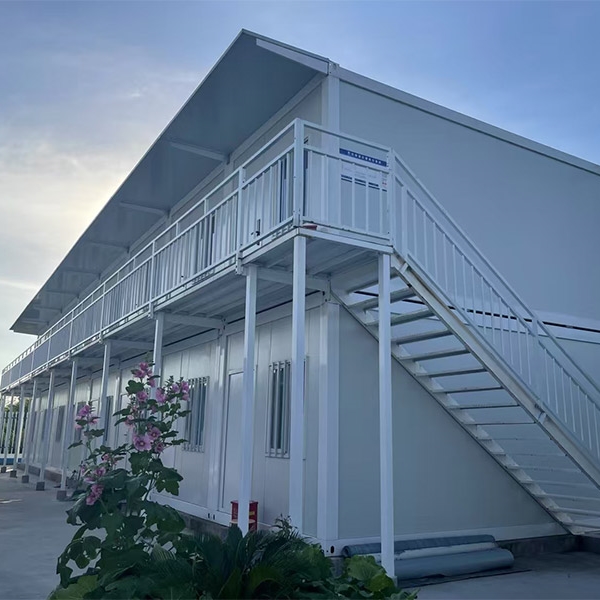
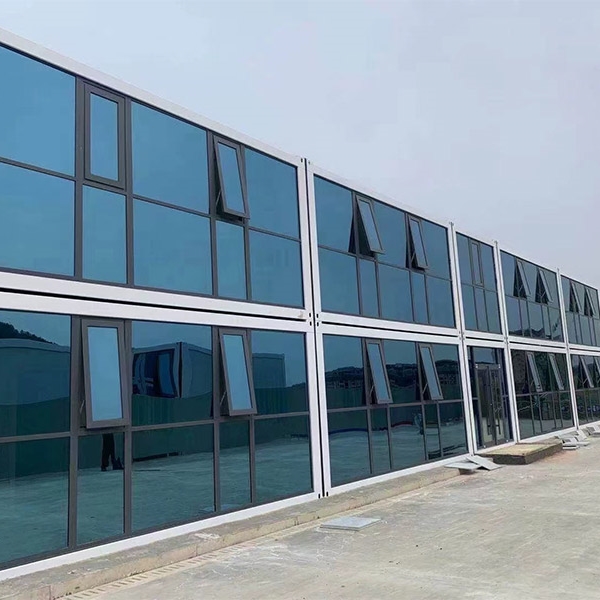
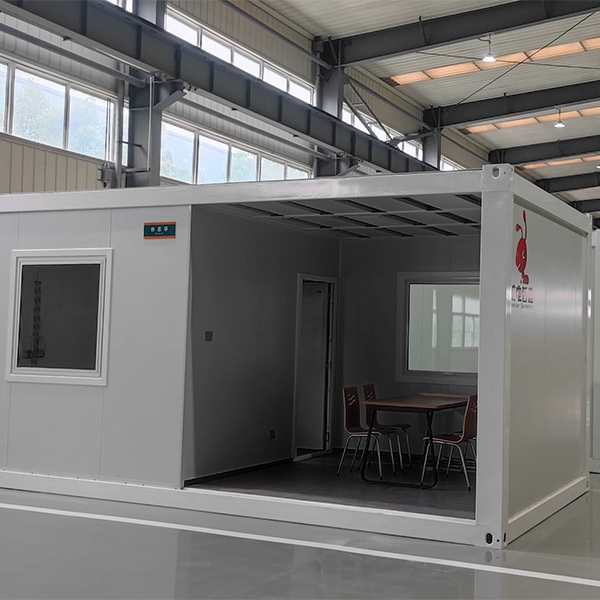
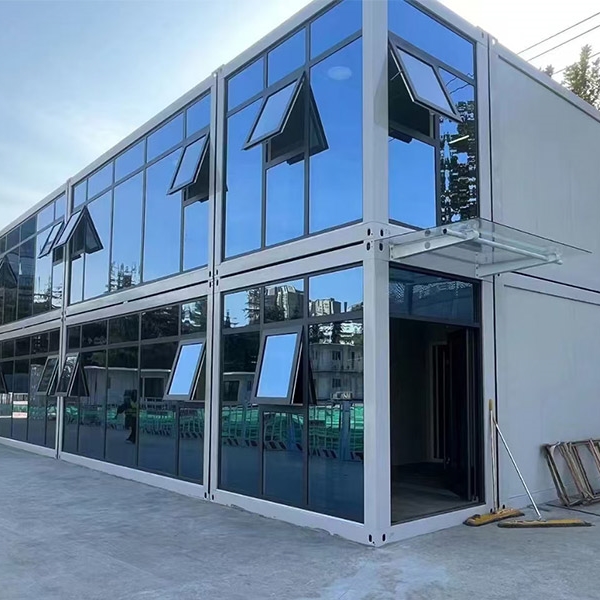
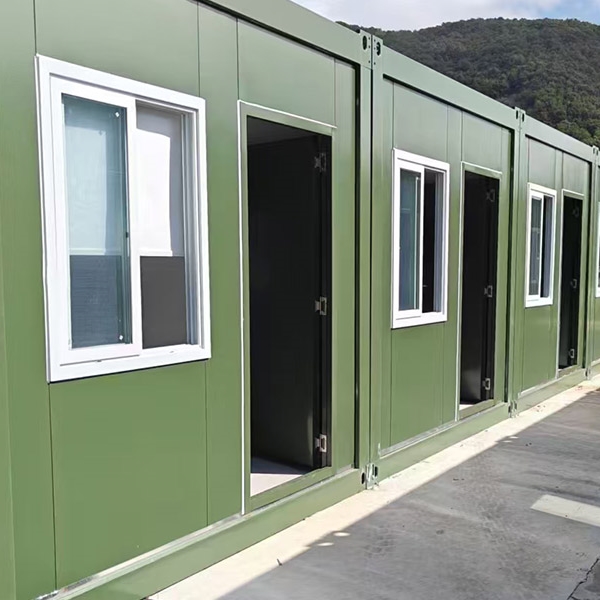
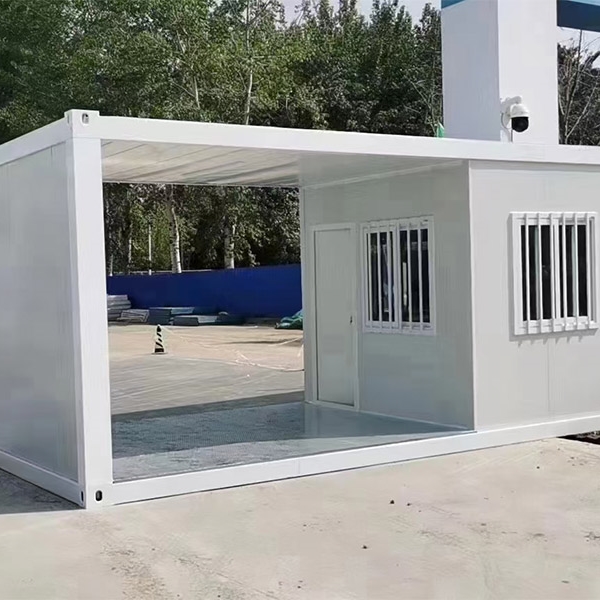
What are the functions of packing a box room?
1. Core functions
1. Modular design
- Can be quickly assembled and disassembled, and supports free combination splicing (such as multi-layer and multi-room expansion).
- Suitable for temporary construction needs.
2. Mobility and reuse
- The overall structure can be hoisted and transported, and the relocation cost is low.
- It can be recycled and transformed after use, reducing resource waste.
3. Rapid deployment
- Prefabricated factory, direct installation on site, and the construction cycle is reduced by more than 50% compared with traditional buildings.
4. Strong durability
- Steel frame is wind-resistant and earthquake-resistant (wind resistance level can reach level 10), adapting to extreme weather.
2. Application scenarios
1. Temporary residence
- Construction site workers' dormitories, post-disaster emergency housing, camping camps, etc.
2. Commercial use
- Pop-up shops, cafes, convenience stores, temporary exhibition halls, etc.
3. Office space
- Construction site command center, mobile office, shared office space.
4. Public Services
- Temporary hospitals, schools, epidemic prevention sites, police booths.
3. Advantages and Highlights
1. Low cost
- The cost is only 1/3~1/2 of traditional buildings, and the maintenance cost is low.
2. Environmental protection and energy saving
- Recycled container transformation is adopted to reduce waste of building materials; solar panels and energy-saving and thermal insulation can be installed.
3. Flexible customization
- Customized doors and windows, water and electricity systems, interior decoration (such as floors, bathrooms, air conditioning, etc.).
4. Policy support
- Some cities have relatively loose approvals for temporary buildings and are suitable for short-term projects.
4. Things to note
- Basic requirements: The ground needs to be leveled, and temporary land use permits are required for some scenarios.
- Thermal insulation: If you live for a long time, it is recommended to install thermal insulation layers and sound insulation materials.
- Compliance: Need to comply with local building codes and safety standards.
1. Modular design
- Can be quickly assembled and disassembled, and supports free combination splicing (such as multi-layer and multi-room expansion).
- Suitable for temporary construction needs.
2. Mobility and reuse
- The overall structure can be hoisted and transported, and the relocation cost is low.
- It can be recycled and transformed after use, reducing resource waste.
3. Rapid deployment
- Prefabricated factory, direct installation on site, and the construction cycle is reduced by more than 50% compared with traditional buildings.
4. Strong durability
- Steel frame is wind-resistant and earthquake-resistant (wind resistance level can reach level 10), adapting to extreme weather.
2. Application scenarios
1. Temporary residence
- Construction site workers' dormitories, post-disaster emergency housing, camping camps, etc.
2. Commercial use
- Pop-up shops, cafes, convenience stores, temporary exhibition halls, etc.
3. Office space
- Construction site command center, mobile office, shared office space.
4. Public Services
- Temporary hospitals, schools, epidemic prevention sites, police booths.
3. Advantages and Highlights
1. Low cost
- The cost is only 1/3~1/2 of traditional buildings, and the maintenance cost is low.
2. Environmental protection and energy saving
- Recycled container transformation is adopted to reduce waste of building materials; solar panels and energy-saving and thermal insulation can be installed.
3. Flexible customization
- Customized doors and windows, water and electricity systems, interior decoration (such as floors, bathrooms, air conditioning, etc.).
4. Policy support
- Some cities have relatively loose approvals for temporary buildings and are suitable for short-term projects.
4. Things to note
- Basic requirements: The ground needs to be leveled, and temporary land use permits are required for some scenarios.
- Thermal insulation: If you live for a long time, it is recommended to install thermal insulation layers and sound insulation materials.
- Compliance: Need to comply with local building codes and safety standards.


 Youtube
 WhatsApp
 LinkedIn